Why Content Freshness Matters for AI Visibility
AI models have two modes of operation. They can answer from training data, which is a snapshot of the web captured months or years ago. Or they can search the web in real time, pulling fresh results the same way a search engine would. When they search, they favor recency. New content gets priority over old content because the model assumes newer information is more accurate, more relevant, and more likely to reflect what’s actually true right now.
Your sitemap is the first signal of freshness. It tells crawlers which pages exist, when they were last modified, and how frequently they change. If your sitemap shows pages that haven’t been updated in two years, AI crawlers treat your content accordingly. If it shows consistent recent updates, your site signals activity and authority.
Distribution Tells AI What You’re About
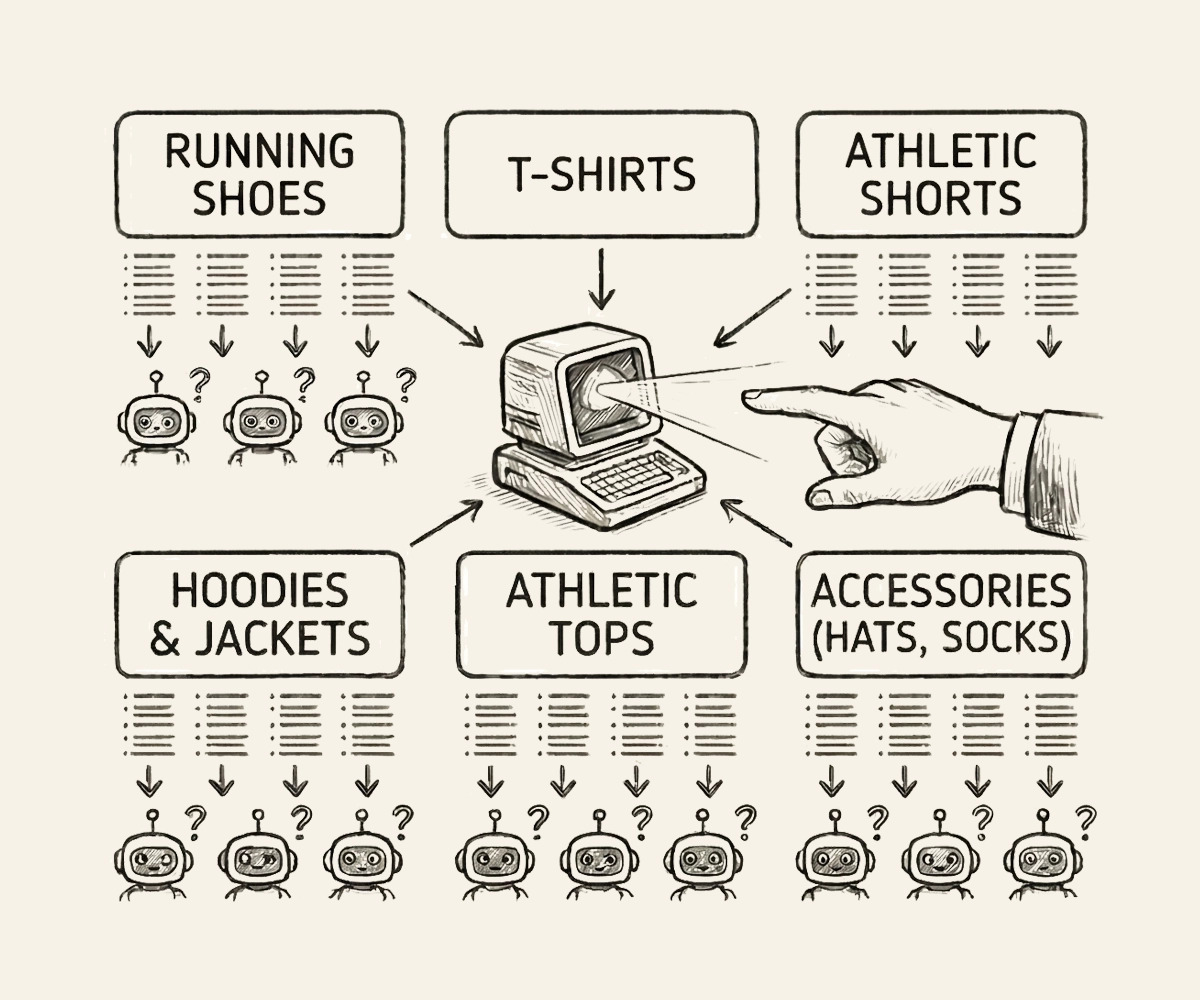
Beyond freshness, your sitemap reveals how your content is structured. A hotel with 200 blog posts but only 3 room description pages is telling AI that their brand is about content marketing, not accommodations. A ski resort with detailed pages for every trail, lift, and lodge is giving AI rich, specific content to draw from when someone asks for recommendations. Content distribution shapes how AI understands what your brand actually does.
The Sitemap Blind Spot
Most marketing teams never look at their sitemap. It’s managed by developers or generated automatically by a CMS, and it often includes pages that shouldn’t be there while missing pages that should. Broken formatting, missing last-modified dates, and bloated URL counts are common. These issues don’t just affect traditional SEO anymore. They directly impact whether AI crawlers can efficiently understand and recommend your brand. Sitemap Pulse gives you a quick diagnostic. For ongoing AI visibility tracking across seven models and your full competitive set, Centium provides the complete picture.