
Why AI Visibility Matters for Your Brand
Consumers are increasingly turning to AI for recommendations. Instead of scrolling through ten blue links, they ask ChatGPT, Claude, Gemini, or Perplexity for the best option and get a direct answer. That answer is shaped by what the AI knows about your brand, your competitors, and your category. If AI doesn’t know much about you, it recommends someone else.
The tools on this page give you a starting point. They cover the foundational layers of AI visibility: whether AI crawlers can access your site, whether your content is in the training data, how fresh your content looks to AI search, and which categories your brand should be competing in. Each one runs a free diagnostic with no login and no email required.
What These Tools Measure
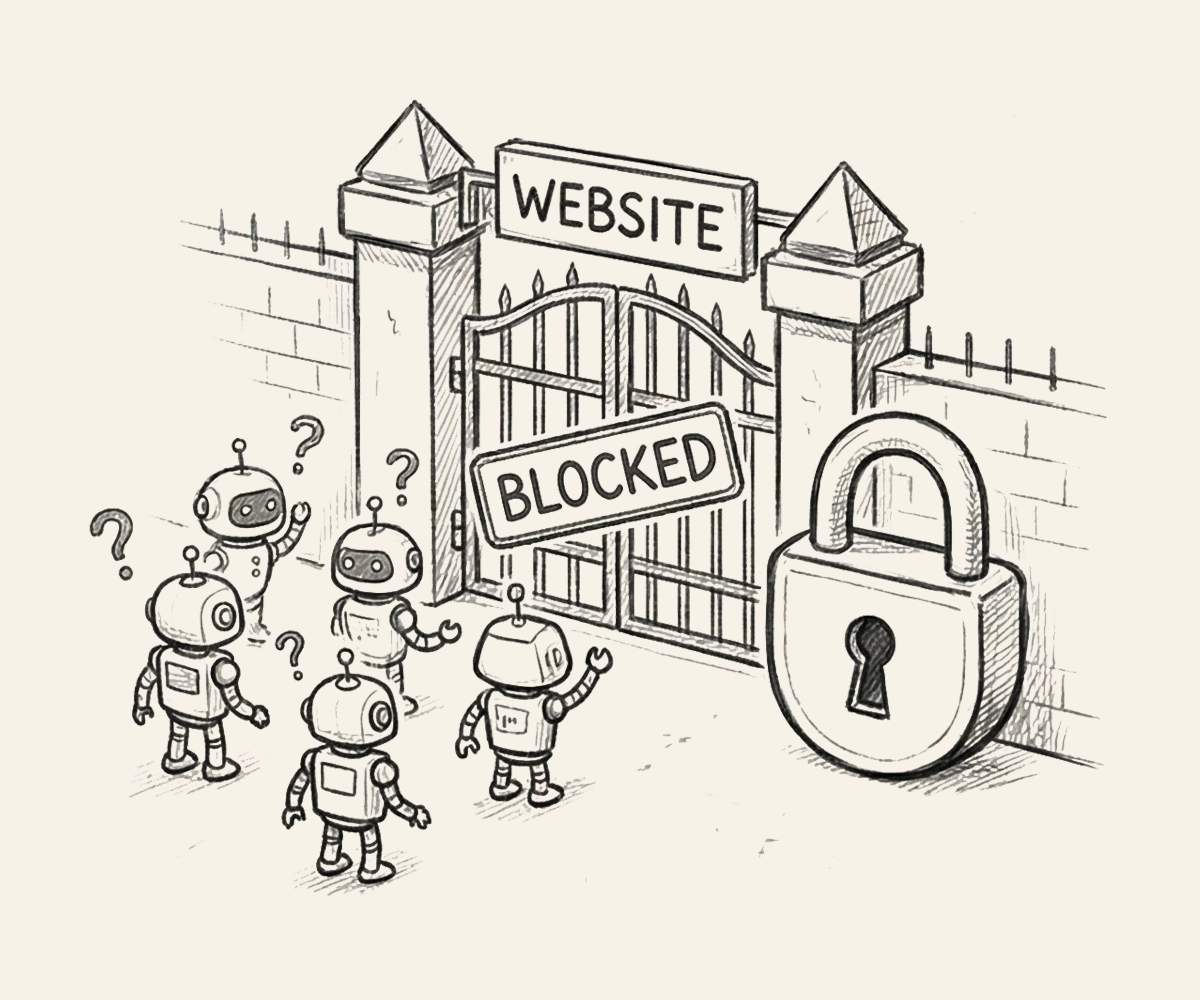
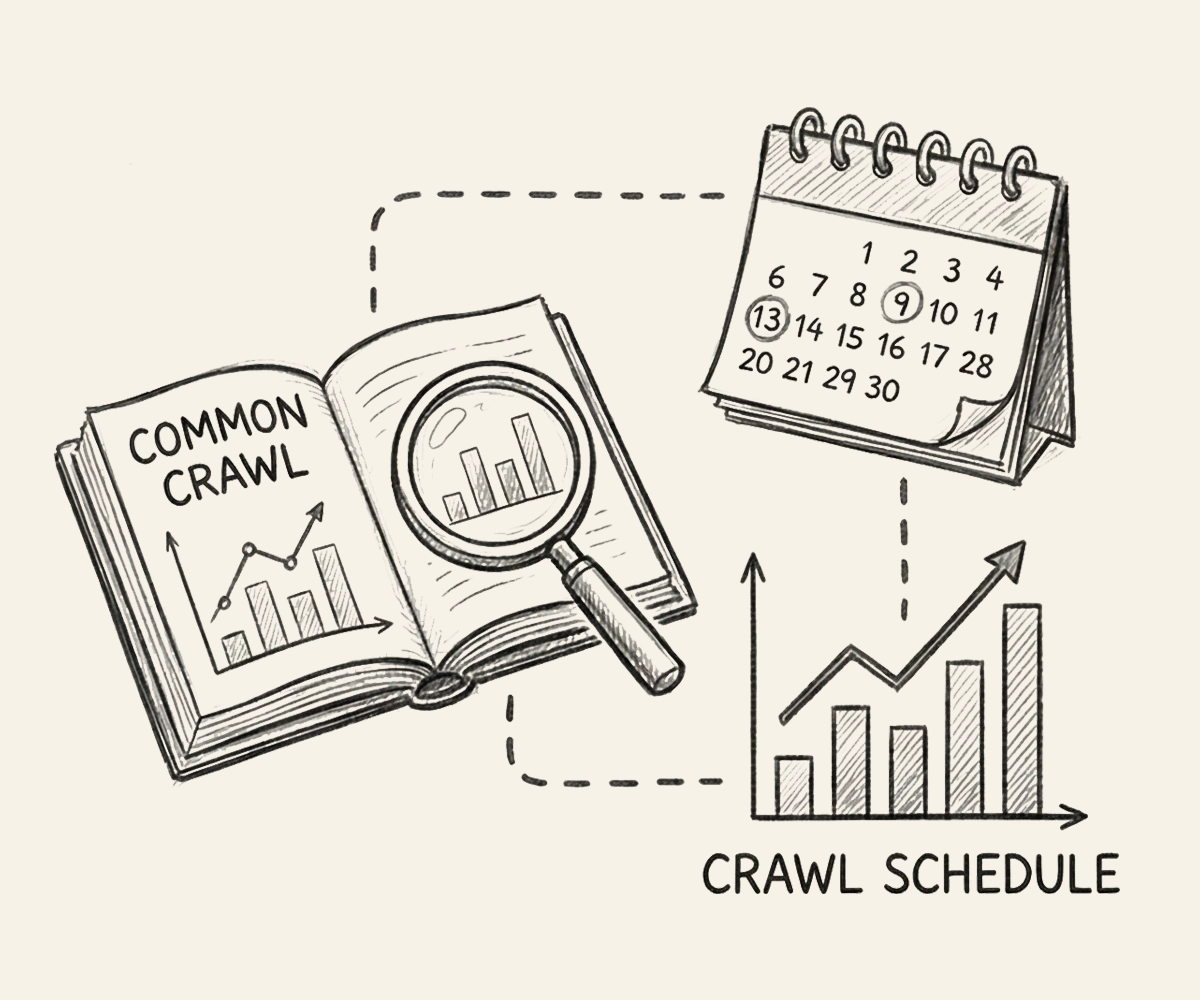
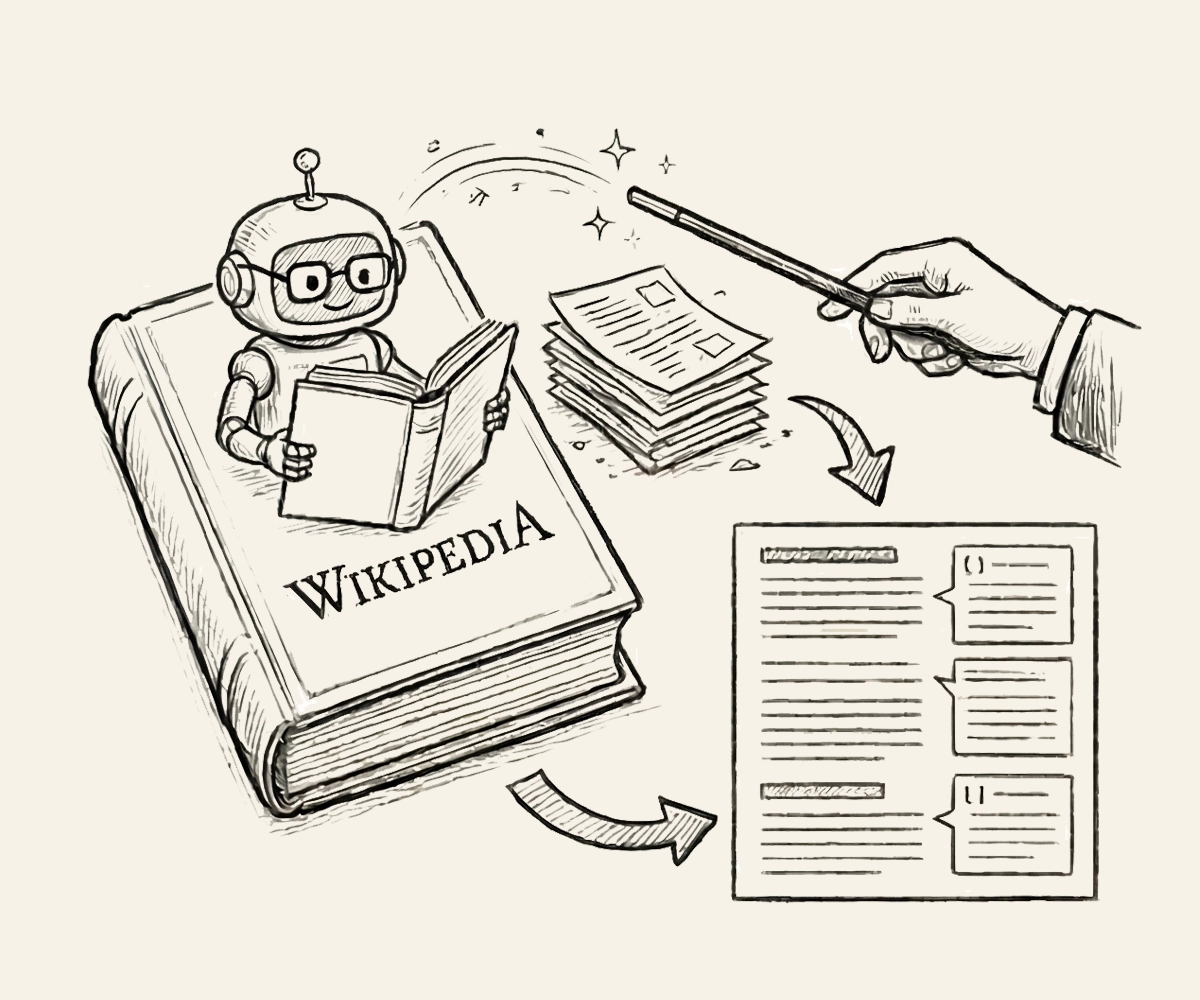
The AI Access Tester checks your robots.txt file to see which AI crawlers are allowed to access your content. If crawlers like GPTBot or ClaudeBot are blocked, those models can’t learn from your site or cite it in real-time answers, and our guide on how to check if AI crawlers can access your site explains how to read and fix those rules. The AI Training Data Checker looks at Common Crawl, the open dataset that trains most large language models, to see if your pages are included and how many were indexed.
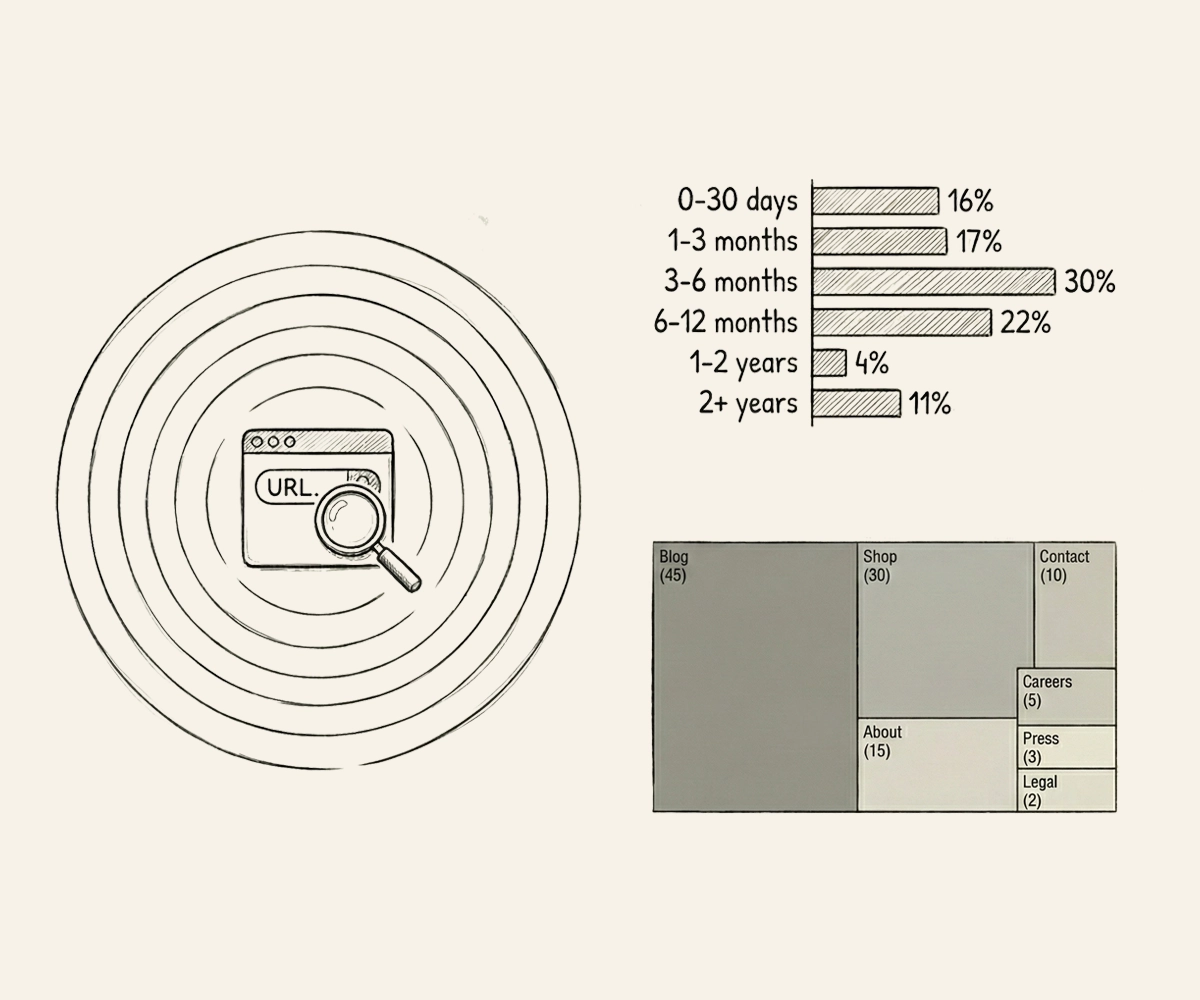
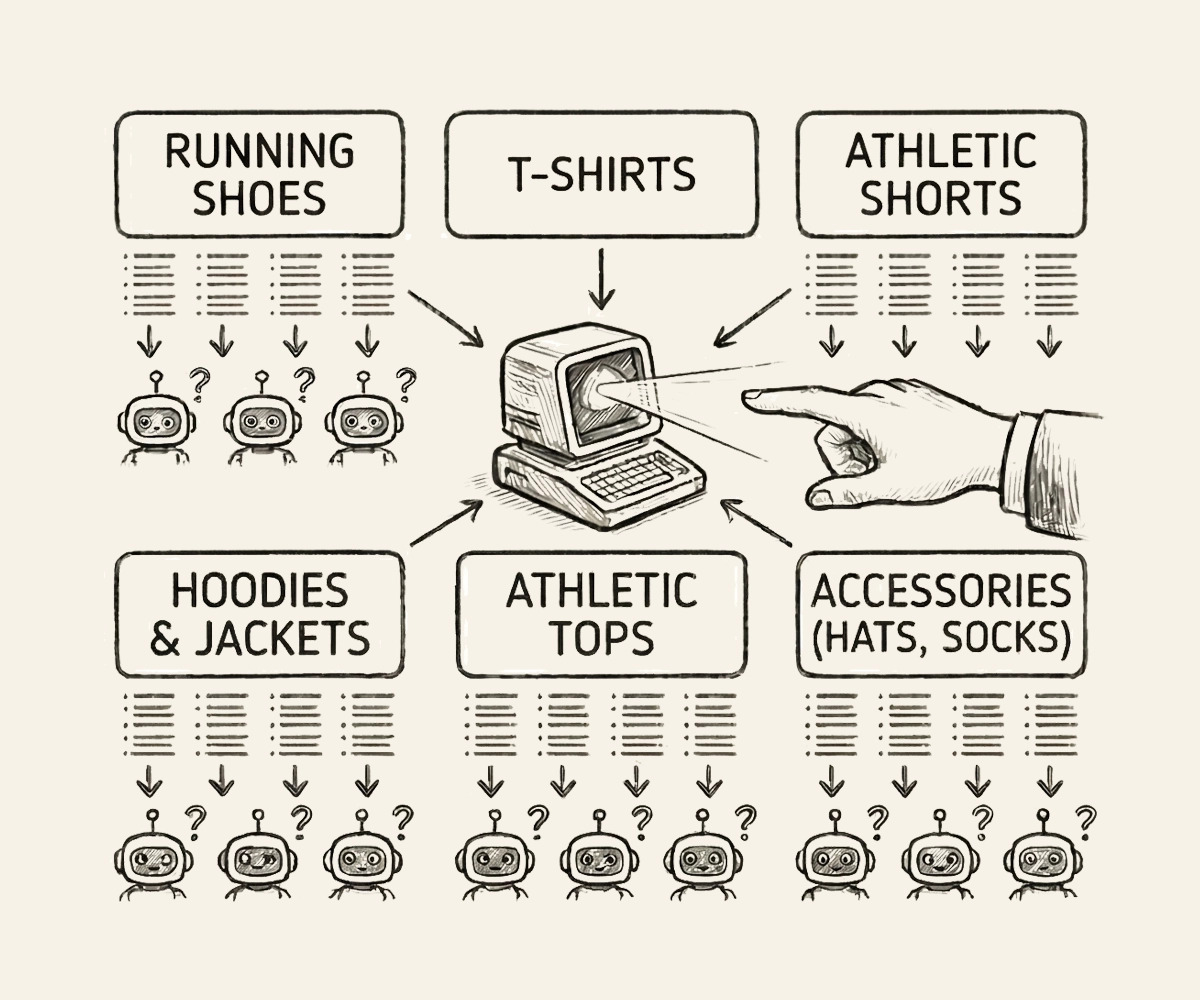
Sitemap Pulse scans your sitemap to measure content freshness and distribution. AI models that search the web in real time favor recent content, and your sitemap is the primary signal of what’s new on your site. The AI Segment Builder takes a different approach. It scans your website and recommends the AI visibility categories your brand should be tracking, giving you a preview of how AI measurement works at the category level.
From Diagnostics to Strategy
These tools tell you where you stand. Centium tells you what to do about it. The full platform tracks how seven major AI models respond to 120 prompts about your brand and your competitors, over time. You see recommendation rates, citation sources, competitive positioning, and the specific actions that move the needle. The free tools are the diagnostic. Centium is the treatment plan.